National Multifamily REIT
Florida, FL
Lease-up marketing fails most often not because the creative is weak, but because the asset plan was built forward instead of backward. Developers and marketing directors who start with a construction schedule and bolt photography onto it as an afterthought end up scrambling for hero imagery two weeks before the leasing office opens. The better approach is to set the first move-in date, then work backward, slotting in every shoot the campaign will need with enough lead time for editing, approvals, and channel distribution.
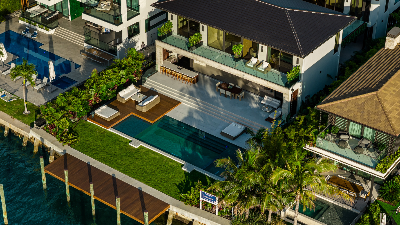
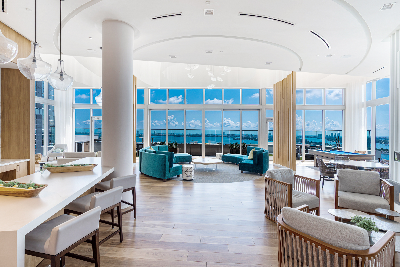
That timeline typically has five checkpoints. Pre-construction renderings come first, often 12 to 18 months out, giving marketing and pre-leasing teams something to put in front of prospects before a single wall exists. Hard hat and progress imagery follows during vertical construction, useful for investor updates, leasing office collateral, and social proof that the project is real and on schedule. The model unit reveal is the first true photography milestone, usually 60 to 90 days before leasing launch, and it is often the only fully staged interior available for months. Amenity completion shoots follow as the pool deck, fitness center, and clubroom come online, frequently in staggered batches rather than all at once. Finally, the stabilized community shoot, taken once landscaping has matured and occupancy is visible, captures the property as it will actually look and feel to a renter walking the grounds a year after opening.
Treating these as five distinct production days, not one, is what keeps the asset library current through every phase of lease-up rather than stale by month three.
By the time leasing opens, the library needs to cover every way a prospect might encounter the property, from a scroll through an ILS listing to a drive-by. At minimum, plan for:
Missing any one of these categories tends to surface later as a support ticket from the leasing team asking why a specific unit type or amenity has no imagery on the syndicated feeds.
Every platform has its own file requirements, and asset delivery should be planned around them rather than retrofitted after the shoot. ILS platforms generally require JPEG files under a set file size ceiling, most commonly in the 1 to 5 MB range depending on the syndicator, with minimum resolution thresholds and strict aspect ratio expectations, usually landscape at 4:3 or 16:9. Property website heroes need to be delivered at higher resolution for large-format display, typically 2400 pixels wide or more, with a horizontal crop that holds up on both desktop and mobile breakpoints. Paid social needs vertical 9:16 crops for Stories and Reels placements alongside square 1:1 versions for feed placements, cut as separate exports rather than center-cropped from horizontal footage. Print and signage, including banners, leasing office collateral, and construction fencing wraps, need to be delivered at full resolution, generally 300 DPI at the final print dimension, which means the source capture has to be high enough resolution from day one since upscaling low-res files for a building wrap is not a fix anyone wants to attempt under deadline.
The staging decision should be made per unit type, not as a blanket policy. Flagship or hero floor plans generally warrant full staging, since these are the units most likely to appear across every channel and carry the most weight in the prospect's first impression. Secondary or less differentiated floor plans can often be shot vacant with strong architectural lighting and styling props limited to a few key surfaces, which keeps the budget in check without sacrificing the overall polish of the library.
Virtual staging is a reasonable substitute when timelines are tight or when a unit type will not be physically staged before leasing needs images, but it comes with tradeoffs. It works well for furniture placement in otherwise finished units, and it is materially cheaper than trucking in staging furniture for a single shoot day. It does not work for correcting unfinished paint, incomplete trim, or construction debris still visible in the space, and prospects who tour in person after seeing a virtually staged listing can feel misled if the finish level doesn't match what was photographed. The safest use case is virtual staging in fully finished, vacant units, not as a workaround for units that are still under construction.
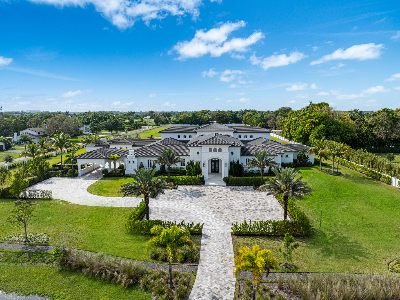
Scheduling a lease-up shoot in South Florida means working around a few regional realities. Summer storm season, roughly June through November, brings daily afternoon thunderstorms that make morning shoot windows far more reliable than afternoon ones, and it is worth holding a backup day for any exterior or aerial shoot booked in these months. Low sun angles in winter months create longer, more dramatic shadows that can either enhance architectural photography or create unwanted glare depending on building orientation, so scouting the site at the planned shoot time of day matters more than shooting whenever the crew is available. Twilight windows in South Florida are short, often 20 to 30 minutes of usable light, which means twilight photography needs a tightly rehearsed shot list rather than an improvised one. Finally, construction fencing and landscaping maturity dictate what can honestly be shot at all: hero exteriors and aerials shot too early will show bare sod, temporary fencing, and staging equipment that undercut the finished look the campaign is trying to sell, which is exactly why the refresh shoot later in the timeline matters as much as the launch shoot.
Every person appearing in lifestyle or amenity imagery needs a signed model release before the images go into paid distribution, and this includes talent, staff, and any residents used post-occupancy. Artwork, murals, or branded decor visible in interior shots should be cleared for commercial use or swapped for licensed alternatives before the shoot, since unlicensed art in a photographed model unit can create downstream liability once the images are running in paid campaigns. Branded products, from artwork to furniture with visible logos, need either a usage agreement with the brand or should be avoided in the shot entirely.
Plan a refresh shoot once landscaping has matured, typically 6 to 12 months after initial planting, and again during stabilization once occupancy is visible in common areas and parking. This refresh replaces the thin, newly-planted landscaping and empty amenity spaces from launch imagery with a community that photographs as lived-in and established, which performs better in both organic and paid channels.
On launch day itself, confirm the following before assets go live: every floor plan type has at least one photographed unit and matching floor plan graphic, ILS feeds are populated with correctly sized and compressed stills, the property website hero images and 3D tours are live and load-tested on mobile, paid social verticals are cut and scheduled, Google Business Profile has updated photos and hours, drone footage and aerials are approved and watermark-free, and all model releases and art licensing documentation are filed before any lifestyle imagery runs in a paid campaign.
Photostetic builds these asset timelines and full inventories for developers and operators managing lease-up across South Florida. Learn more at [/solutions/multifamily-real-estate-operators](/solutions/multifamily-real-estate-operators), or see how we support larger portfolios at [/enterprise](/enterprise).
See the work behind the insights.