Shooting a Space That Never Stops Operating
Hospitality properties are built around mixed and often conflicting light sources: tungsten sconces, LED cove lighting, color-shifted pendant fixtures, daylight pouring through glass walls, and pool decks lit by both sky and underwater fixtures after dark. Getting a lobby, guest room, or rooftop bar to read clean and true on camera requires balancing these sources rather than fighting them. That usually means blending multiple exposures in post, gelling strobes to match ambient color temperature, or timing a shot to the narrow window when interior and exterior light meet at a workable ratio.
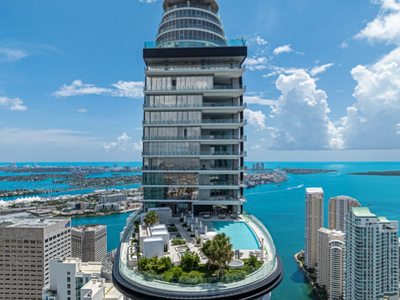
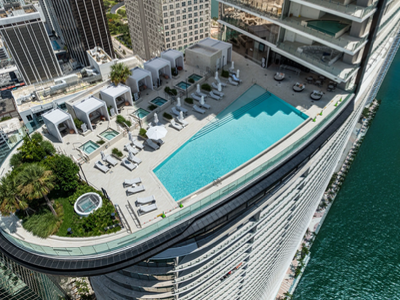
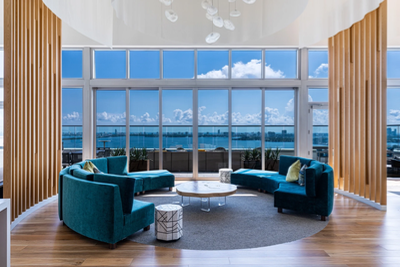
In Miami and along the South Florida coast, glass curtain walls, reflective pool water, and polished terrazzo or marble floors add another layer of difficulty. Reflections from adjacent buildings, boats, or even the photographer's own rig can appear in a floor-to-ceiling window shot from the wrong angle. We plan camera placement and polarization in advance, and we often shoot restaurant and bar interiors with a mix of ambient available light and off-camera flash bounced into ceilings or walls to keep the mood without blowing out highlights on glassware, brass fixtures, or water features.
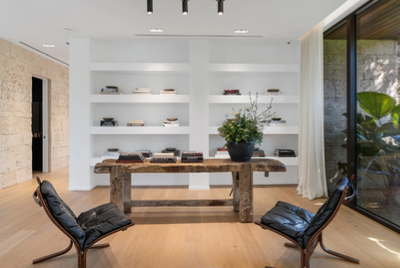
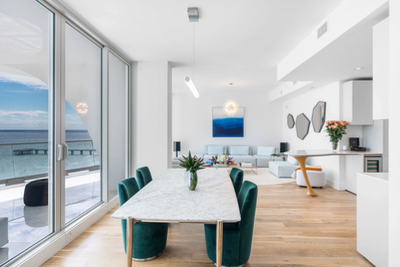
Ceiling height and room scale matter too. Ballrooms, spa treatment corridors, and resort lobbies are shot with wide but corrected lenses to avoid the barrel distortion that makes a ten-foot ceiling look like a hallway. Guest rooms are the opposite challenge: tight square footage where a slightly wrong lens choice makes a room look smaller than it is, which hurts rather than helps the sales effort.
Working Around Guests, Staff and Live Service
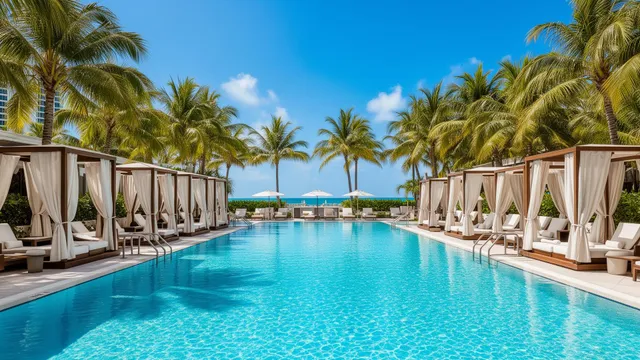
A hotel, restaurant, or spa is a live operating business during almost every hour we could shoot in it. Guests are checking in, servers are running plates, and housekeeping is turning rooms. We build shot lists around service periods rather than against them: lobby and pool shots typically happen early morning before check-out traffic peaks, restaurant interiors are shot during off-peak hours or a controlled pre-service window, and guest rooms are scheduled around housekeeping's turn times so a room is camera-ready without pulling it out of inventory for a full day.
Privacy and release considerations are constant. Any identifiable guest, staff member in uniform with a name tag visible, or reservation screen in frame needs to be handled deliberately, either by getting a release, timing the shot to avoid the person, or blurring in post. For spa and branded residence work, we frequently use models or off-duty staff under a simple release rather than photographing actual guests, which keeps usage rights clean for the property's marketing team down the line.
South Florida Seasonality and the Twilight Window
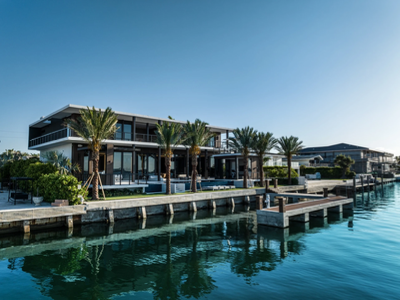
South Florida's shoulder seasons drive when hospitality shoots actually happen. Winter and early spring bring the cleanest skies and the highest occupancy, which means less flexibility on room and pool access but the best weather for exterior and rooftop work. Summer affords more access to guest rooms and event spaces due to lower occupancy, but afternoon thunderstorms are a near-daily risk, so exterior and pool shoots get scheduled for morning or built around a weather contingency day.
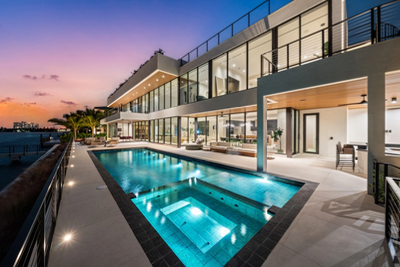
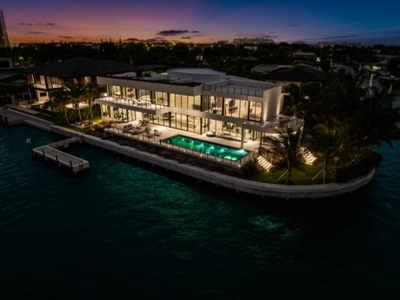
Twilight is the single most requested shot for pools, rooftop bars, and resort exteriors, and it is unforgiving on scheduling. The usable window is roughly twenty to thirty minutes, sunset time shifts through the year, and a missed window means waiting until the next clear evening. We build twilight into the shoot day as its own scheduled block, with lighting, furniture staging, and any water feature or fire pit activation confirmed before the sun starts dropping, not during it.
Deliverables Built for OTA Standards and Brand Compliance
Hospitality clients are not shooting for a portfolio, they are feeding specific channels with specific technical requirements. OTA platforms including Booking.com and Expedia enforce minimum resolution, aspect ratio, and image count standards, and rejected images cost the property visibility in search rank. Brand-managed hotels operate under flag standards from companies like Marriott, Hilton, and IHG that dictate shot composition, room staging, and even how many images per room type must be submitted through their asset management portals.
Beyond OTA feeds, deliverables include hero imagery and video for the property website and booking engine, vertical and square crops for Instagram and Facebook paid placement, walkthrough video for the property's YouTube channel and wedding or events microsite, and food and beverage imagery sized for third-party delivery and reservation platforms. We deliver in the exact crop ratios and file formats each channel requires so the revenue management and digital marketing teams are not re-cropping or re-compressing assets after the fact.
Who the Content Is Actually For
Revenue managers use updated imagery to justify rate positioning against comp set properties on OTA search pages, where a stronger photo set can directly influence conversion at a given price point. Brand and marketing teams need assets that pass flag compliance review while still standing out in a crowded metro market. General managers and F&B directors use current video and photography to support press outreach, wedding and events sales decks, and seasonal promotional campaigns.
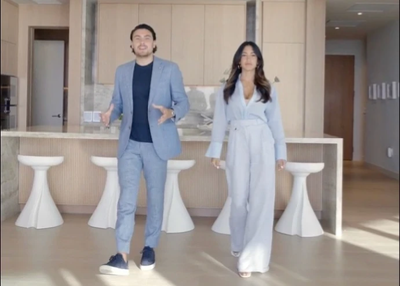
For branded residences, sales teams need imagery that supports a different conversation entirely, one built around lifestyle and long-term value rather than nightly rate, so we shoot amenity spaces and model units with an eye toward the buyer deck and offering materials rather than the OTA feed.