Lighting a Merchandising Environment, Not Just a Room
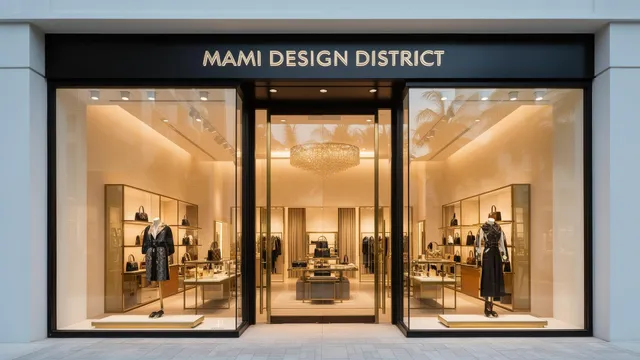
Retail interiors are lit to sell product first, and that lighting design is almost never friendly to a camera straight out of the box. Track heads aimed at mannequins, case lighting inside glass display units, and cove lighting along ceiling perimeters combine into a mix of color temperatures that a camera's white balance cannot resolve on its own. We gel our own lighting to match the dominant fixture temperature in each zone, or we shoot in exposure-blended sequences so a single frame can hold detail in a bright window display and a dimmer stockroom-facing corner without either blowing out or going muddy.
Glass is everywhere in retail: storefront windows, jewelry and product cases, mirrored fitting rooms, and glossy floor finishes in flagship locations. Every one of these surfaces reflects the photographer, the lighting rig, and the street outside if camera position and polarizing filters are not planned before the first frame. Showroom photography for furniture, auto, and design clients adds another layer, since large-format product finishes like lacquer, chrome, and glass tabletops need to be shot with diffused, controlled light rather than direct flash to avoid hot spots.
Scale and sightlines matter for shopping centers in particular. A common area, food court, or exterior plaza needs to read at the true scale of the property, which means wide-angle work corrected for distortion, elevated tripod positions or aerial drone passes to show the full footprint, and repeat visits at different times of day to capture the property both active with shoppers and clean for leasing-oriented shots.
Shooting Around Store Hours, Staff and Shoppers
Flagship stores and shopping centers operate on public-facing hours that leave a narrow production window. Interior shoots for a single store are usually scheduled before opening or after closing so displays can be staged, cleaned, and lit without customer traffic in frame or underfoot. For multi-tenant shopping centers, common area and exterior work often has to happen during operating hours to show the property as a living retail destination, which means coordinating with property management on where staging equipment can sit without blocking walkways or fire lanes.
Any recognizable shopper needs a release or needs to be excluded from the frame, and staff members are typically directed as models rather than photographed candidly, both for consistency of wardrobe and branding and to avoid usage rights complications later. Rollout programs, where a retailer needs matching photography across ten, thirty, or a hundred locations, add a scheduling layer of their own: shot lists, angles, and lighting setups are standardized in advance so imagery from a location in Miami matches the same brand-book look coming out of a location anywhere else, no matter which crew or day it was shot.
Seasonal Timing and the South Florida Retail Calendar
South Florida retail has its own seasonal rhythm. Fall shoots are booked heavily to capture holiday-ready merchandising before the season starts, and shopping center exteriors are often reshot in winter to show peak foot traffic and full parking during the tourist high season. Summer offers calmer access for interior and showroom work, but afternoon storms limit exterior and rooftop signage shoots to morning windows, and any outdoor plaza or courtyard shot needs a weather contingency built into the schedule.
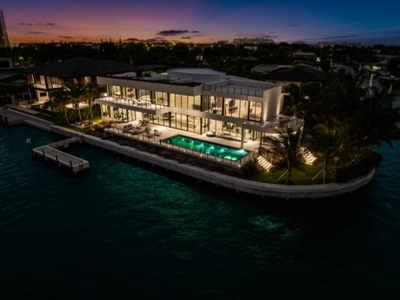
Twilight and blue-hour photography is a standard deliverable for shopping center exteriors and standalone flagship buildings with architectural facade lighting or illuminated signage, since daytime shots alone do not communicate how the property presents after dark to evening shoppers and diners.
Deliverables for Brand Books, Campaigns and Leasing
Retail deliverables split across at least three uses. Brand teams need imagery that fits existing brand book specifications: consistent white balance, consistent crop ratios, and consistent product-forward compositions that can run in a national campaign alongside imagery from other markets. Store and property marketing needs a separate set for paid social campaigns on Instagram and Facebook, seasonal email campaigns, and the retailer or center's own website, typically delivered as both horizontal hero images and vertical story-format crops.
For shopping centers pursuing new tenants, we also produce leasing-oriented photography and video: clean exterior shots without seasonal decor, aerial drone footage showing the site plan and parking field, and interior common area shots that support a leasing deck rather than a consumer campaign. Showroom clients frequently need video walkthroughs formatted for their own website and for third-party dealer or distributor portals, in addition to still photography of individual product vignettes.
Who Relies on This Content
Regional marketing directors and brand teams use the imagery to keep a consistent look across every location in a rollout program, which protects brand equity when a customer might see the same retailer in three different cities in one year. Store-level managers and district managers use updated photography for local social promotion and seasonal campaigns. Leasing brokers and property management teams at shopping centers use current exterior, aerial, and common-area imagery to support marketing packages sent to prospective tenants, and asset managers use the same content in ownership reporting and refinancing packages to demonstrate the property's physical condition and merchandising mix.