Shooting Amenities, Units and Exteriors at Scale
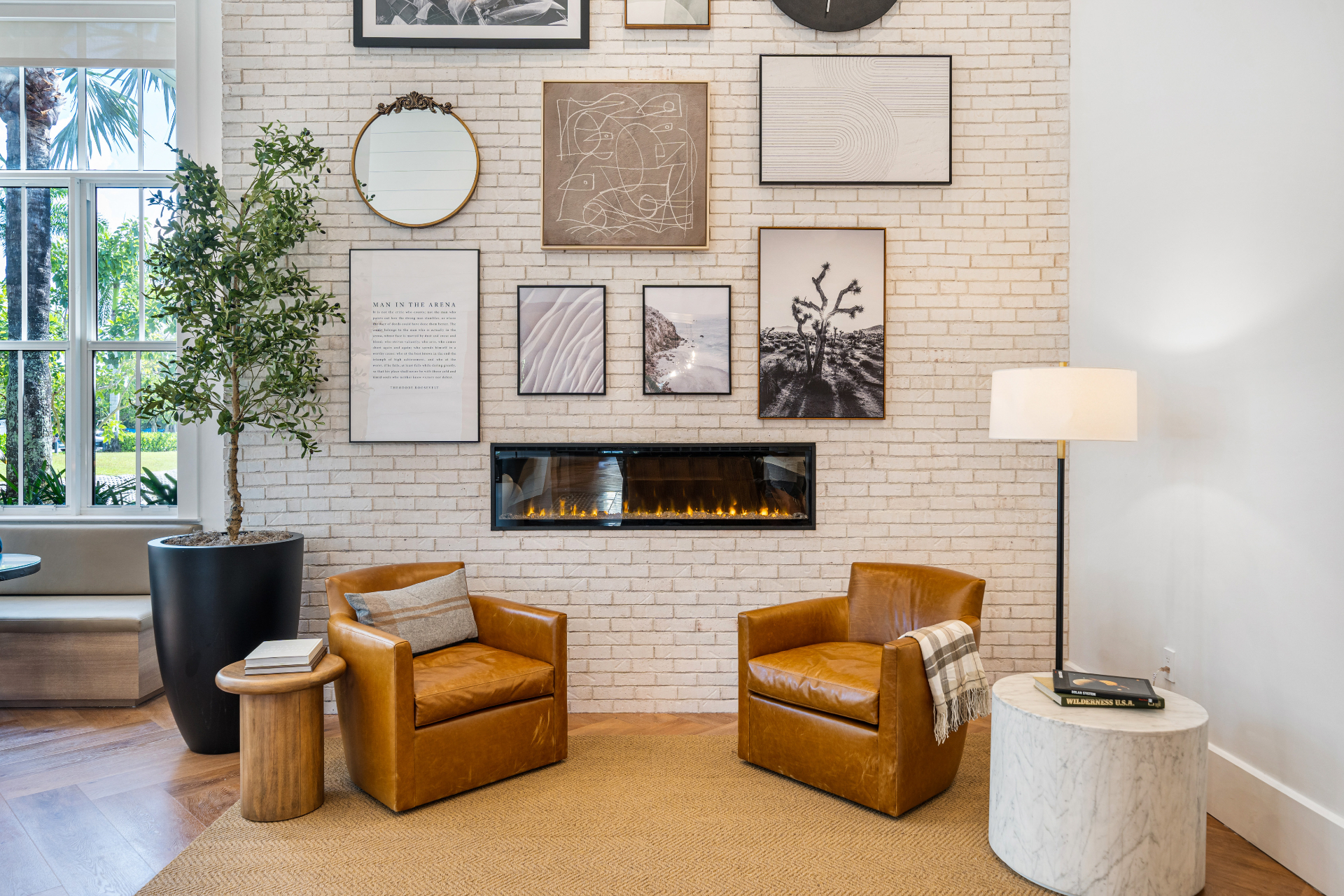
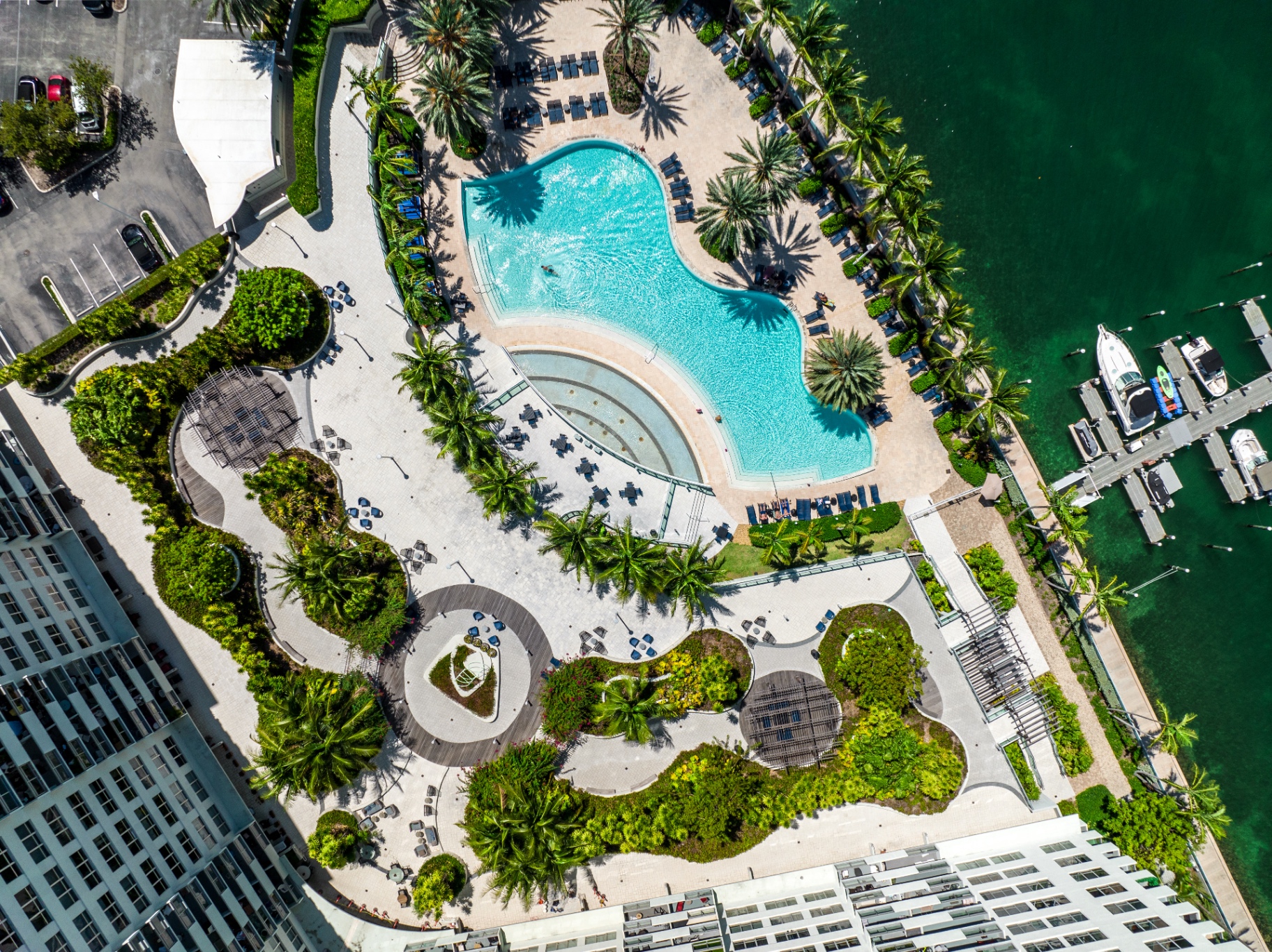
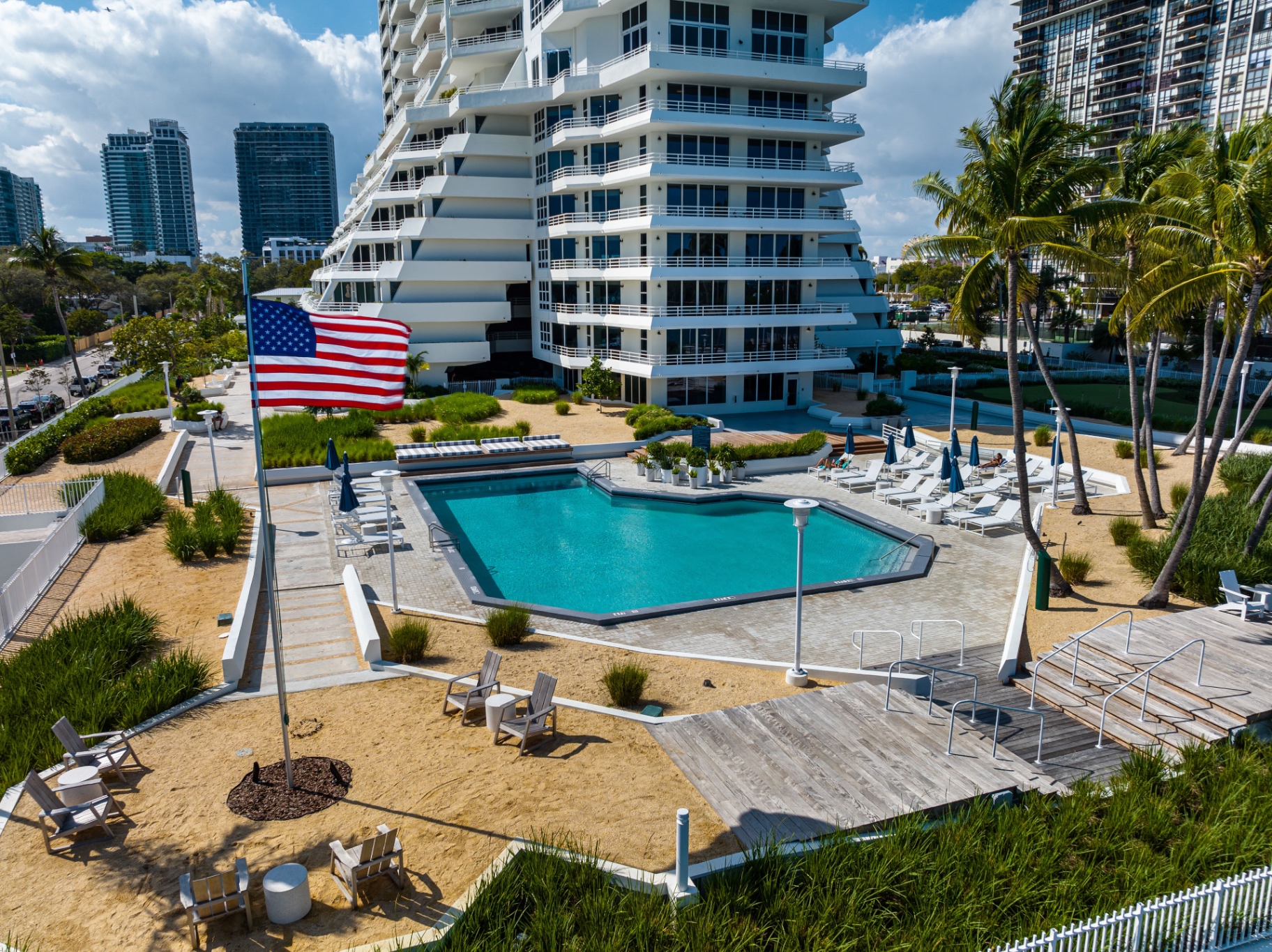
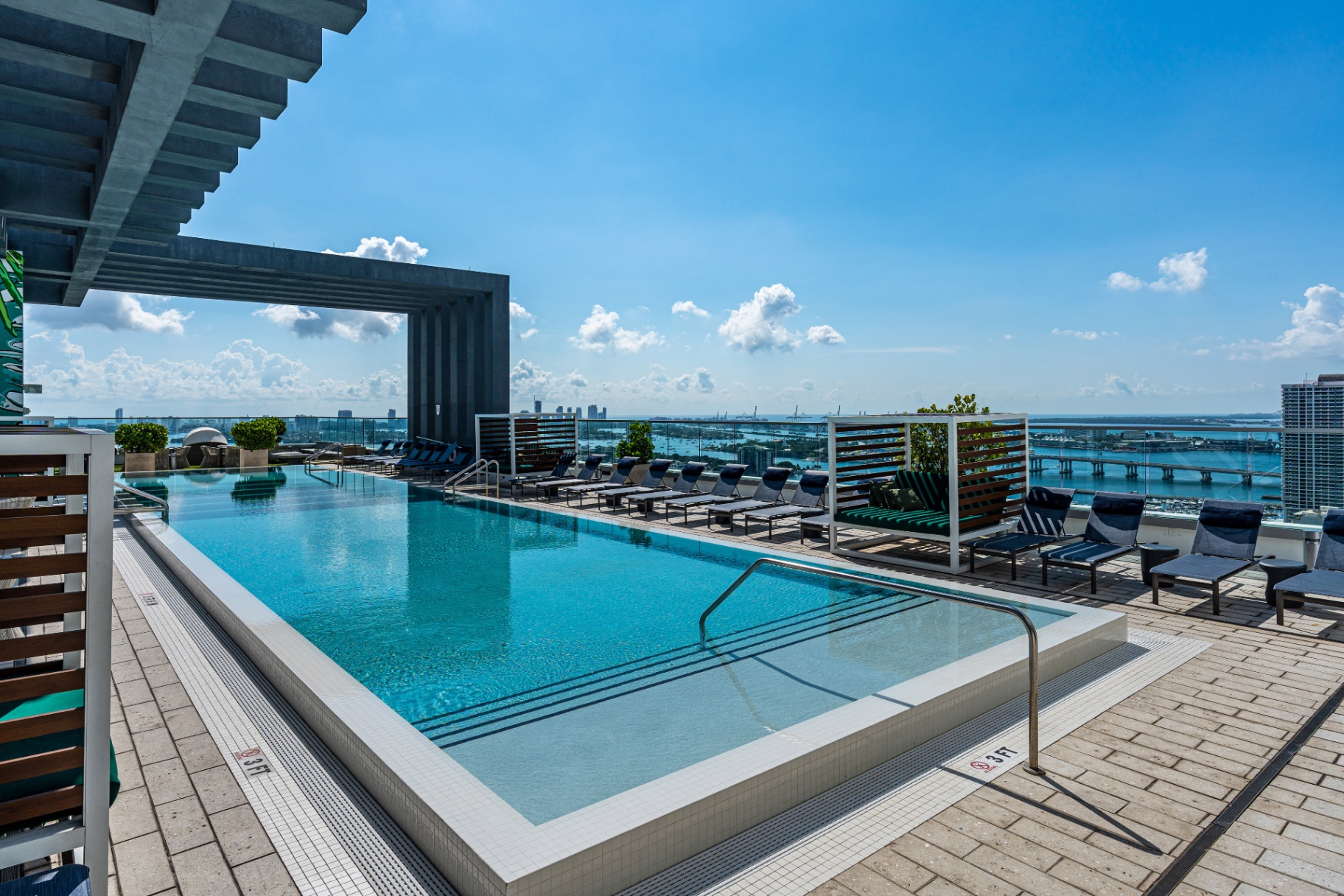
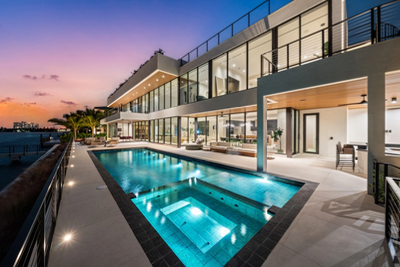
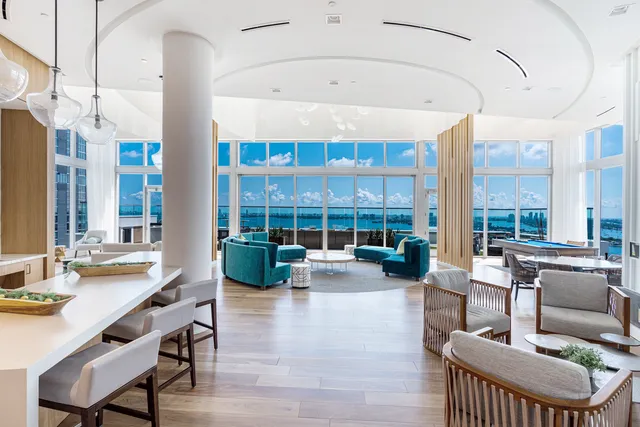
Multifamily properties combine several distinct shooting environments in a single assignment: leasing offices and clubrooms lit by mixed ambient and fixture light, model units that need to be shot like a residential interior, and amenity spaces such as pools, fitness centers, and rooftop decks that behave more like hospitality shoots with their own lighting and glare challenges. Pool and courtyard photography in South Florida deals constantly with harsh midday sun and blown-out water reflections, so we schedule those shots for early morning or late afternoon and use polarizing filters and, when useful, exposure blending to hold detail in both the sky and the water surface.
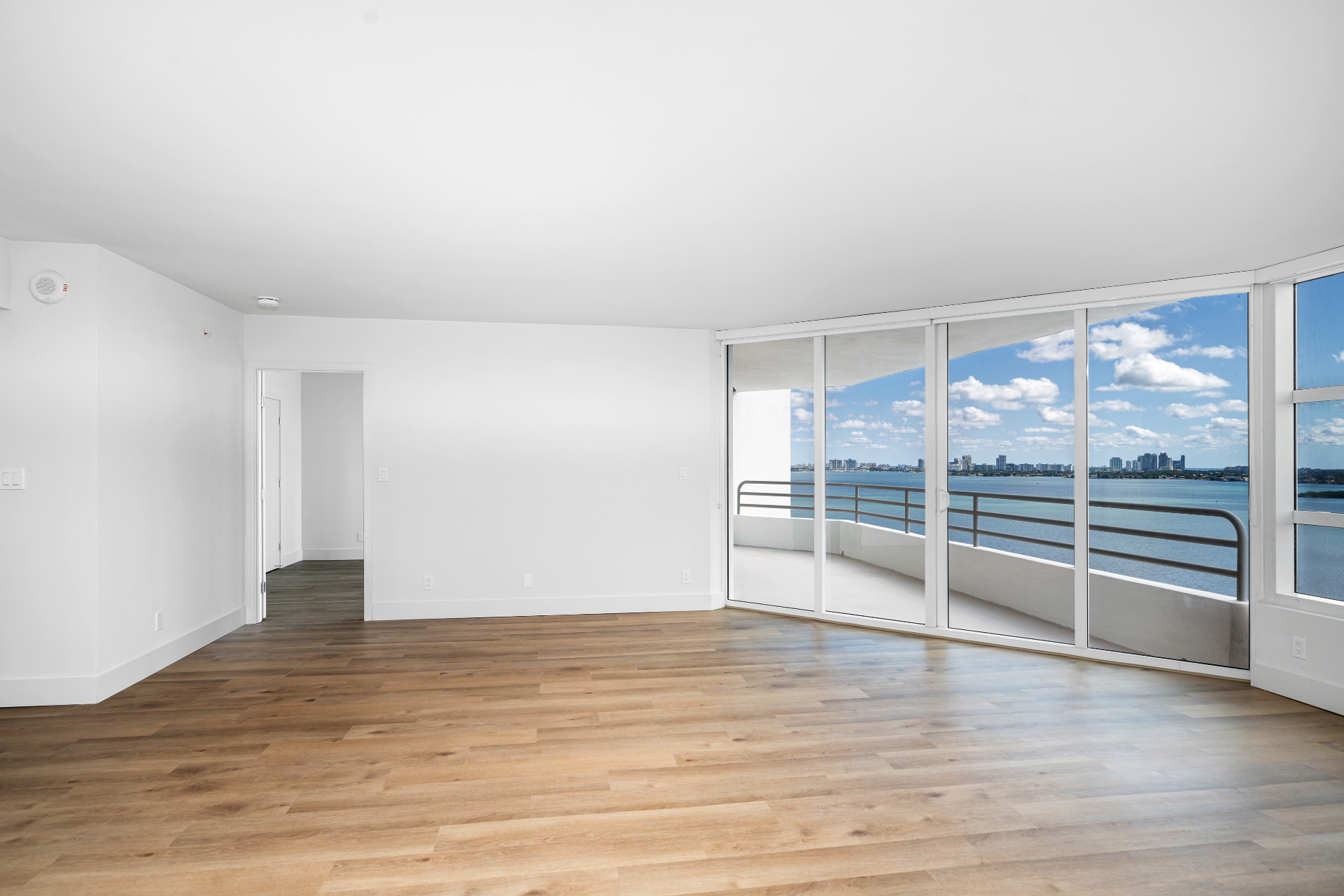
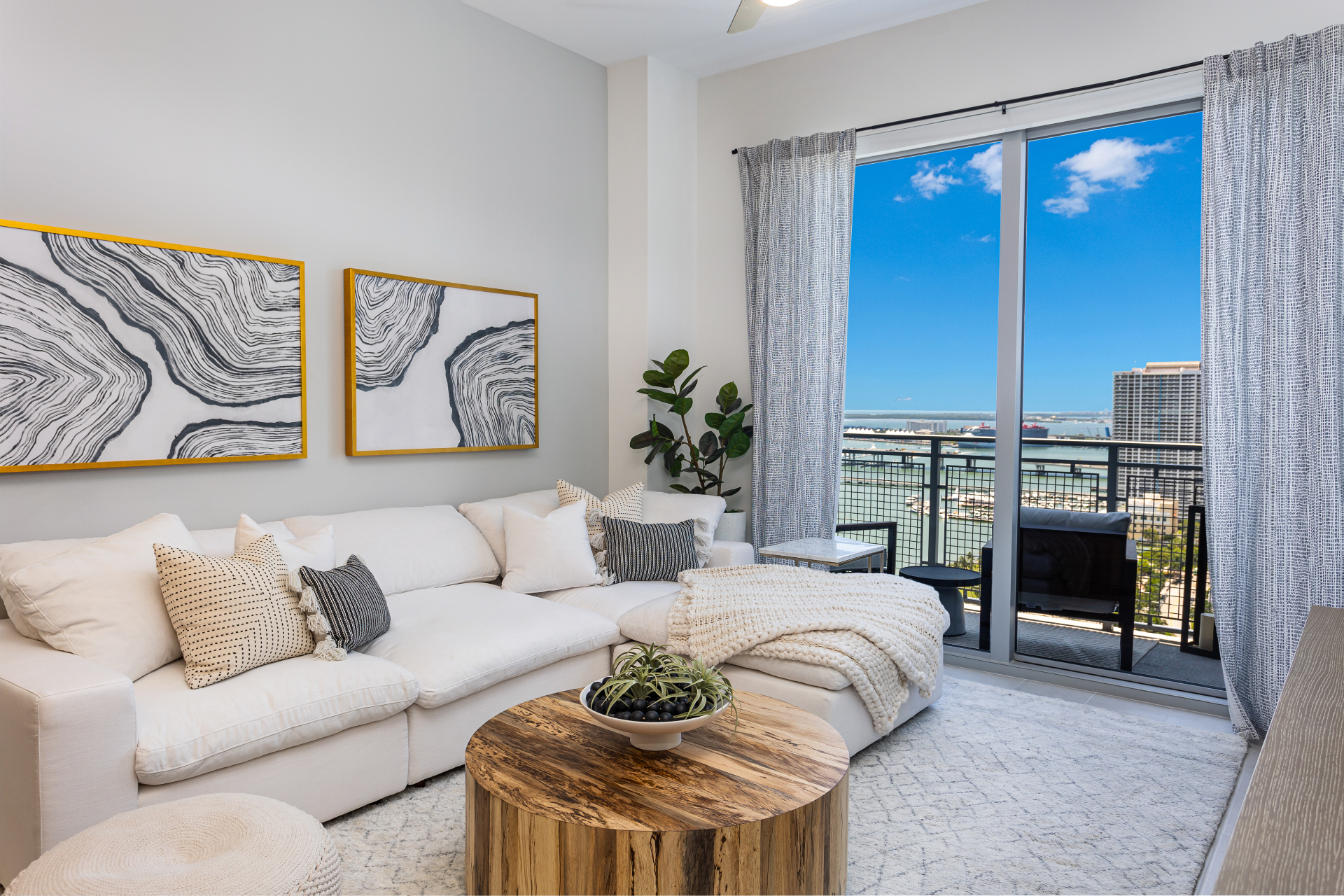
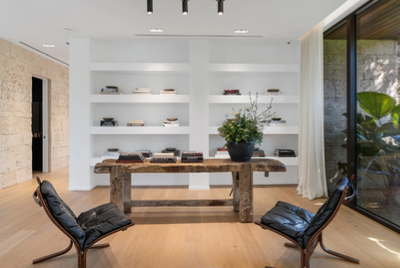
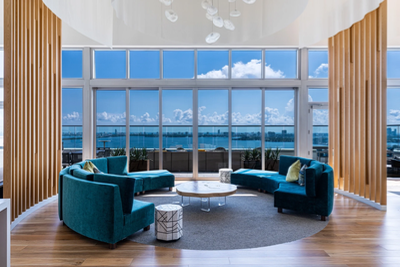
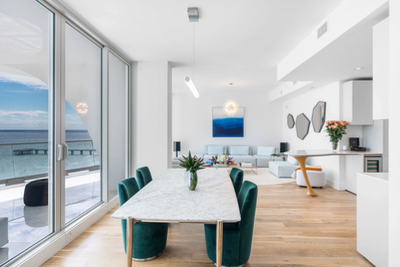
Model unit interiors are shot with the same exposure-blending and lens-correction approach used in residential real estate photography, correcting for window glare in units with floor-to-ceiling glass, a common feature in newer South Florida mid-rise and high-rise construction, and balancing warm interior lighting against cooler daylight coming through those same windows. Fitness centers and clubrooms with mirrored walls need careful camera placement to avoid the photographer and lighting rig appearing in reflection, and gym equipment with LED accent lighting adds its own color temperature mismatch that needs correcting in post.
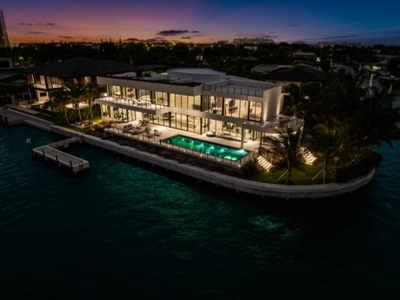
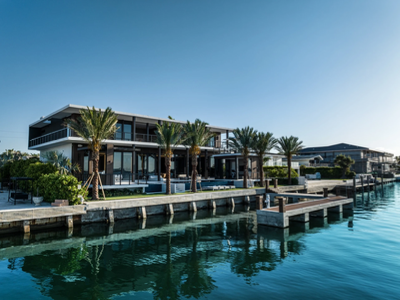
Exterior and aerial work is used heavily in multifamily to show building scale, site layout, and proximity to parking, amenities, and surrounding neighborhood context. Aerial drone passes at a stabilized community typically capture the full site plan, the pool deck from above, and the building's position relative to nearby retail or transit, all of which support both leasing marketing and asset-level reporting.
Working Around Residents, Staff and Occupied Units
Stabilized communities are fully occupied, which means nearly every shoot happens around residents going about daily life. Common area and amenity shoots are scheduled for early morning or weekday midday windows when pool and fitness center usage is lowest, and any identifiable resident in frame needs a release or needs to be excluded, which usually means using leasing staff or hired models for lifestyle-style amenity shots rather than photographing actual residents.
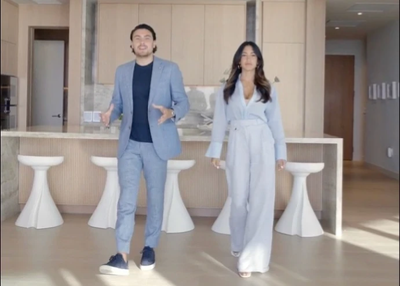
Model units present their own logistics: they need to be staged, cleaned, and sometimes furnished before the shoot, and if the model is also an active leasing tool being shown to prospects that same day, the shoot has to work around scheduled tours. Lease-up properties are the opposite scheduling problem, since the building may be largely vacant, giving broader access to unfinished common areas and units but requiring careful attention to which areas are truly finished and photo-ready versus still under active construction or punch-list work.
Seasonal Timing and Portfolio Scheduling
Leasing activity in South Florida multifamily tends to pick up in late winter and spring, which puts pressure on getting updated photography and video completed before that leasing push begins, typically in the preceding fall or early winter. Pool and outdoor amenity photography is best captured outside of the summer rainy season's afternoon storm pattern, so those shoots are scheduled for morning light whenever possible, with a weather contingency day held in reserve during peak storm months.
Portfolio operators managing multiple communities across a region need shoots sequenced and standardized so that photography from one property matches the visual consistency of the rest of the portfolio, which affects everything from lens choice and time-of-day selection to how amenity spaces are staged before the crew arrives. Lease-up properties often need photography delivered in phases, an initial set as soon as the first model units and amenities are ready, followed by a fuller update once the pool, clubroom, and landscaping have matured.
Deliverables for ILS Feeds, Property Websites and Paid Social
Multifamily marketing depends on internet listing service feeds, and photography and video need to meet the technical specifications of platforms like Apartments.com, Zillow Rentals, and Apartment List, where image count, resolution, and floor plan tagging all affect how a listing performs in search results and how many leads it generates. We also produce matterport-style 3D tours and unit-specific video walkthroughs formatted for direct syndication into these same ILS platforms, which increasingly favor listings with video and interactive tour content over static photos alone.
Beyond the ILS feeds, deliverables include hero photography and video for the property's own website, vertical crops for Instagram and TikTok paid social campaigns targeting renters in the immediate submarket, and drone footage used in both digital ads and printed leasing collateral for the leasing office. Portfolio-level owners also use the same imagery in investor and lender reporting packages, where updated exterior and amenity photography supports valuation narratives during refinancing or disposition.
Who Uses the Content
Leasing agents and property managers rely on current photography and video daily to drive ILS traffic and to close prospects who tour in person after seeing the listing online, since a mismatch between listing photos and the actual unit condition is one of the fastest ways to lose a signed lease. Regional and portfolio-level marketing directors use consistent photography and video standards across every community they manage to keep brand presentation uniform whether a renter is looking in one submarket or across the operator's entire South Florida footprint. Asset managers and ownership groups use the same content, particularly aerial and exterior imagery, in investor updates, lender packages, and disposition marketing when a stabilized asset eventually goes to sale.